Friday, February 26, 2010

Kansas Whitetails


People say everything is bigger in Texas and while that is definitely true, Kansas is no second. Big fields, big cottonwoods, big farms and equipment, and BIG deer. Our location was just north of Cheney, Kansas. People talked differently out there; because of the lack of landmarks they simply used North, South, East, and West to navigate. You better bring your compass.

The rode to Kansas was a long overnight ride passing endless Mac trucks and trains, but once we were there it was excitement from day one. The weather was frigid and heavy boots and a rain suit were in order.

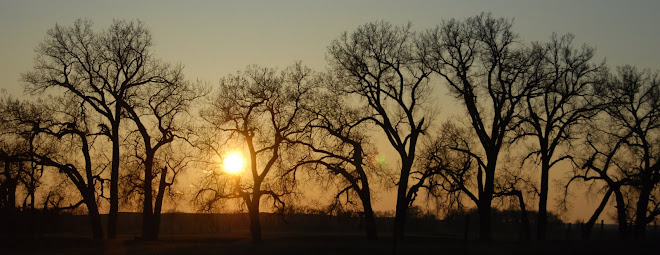
Cottonwoods lined my morning and evening post atop a high ridge overlooking a river where deer were known to cross. Groups of ringnecks came each morning and let me know that the game was moving. It was cold and snow came as well. Lying on the ground my rain suit froze, but I moved my legs undetected and stayed pretty warm. I did not take a deer from this location, but I passed on some that would make you slap your moma back home.

South Carolina affords us the opportunity to hunt with riffles for most of the deer season and in Kansas that isn't the case. However, we came the opening week of rifle season.

Our midday hunts were man drives and we would comb through CRP and cottonwoods looking for a monster buck. It was exciting!

I have to stress how much fun we had on this trip. From the moment we arrived I felt like a family member and another addition to the motley crue. It was definitely a community effort in harvesting these deer and I wish that I lived closer to the group, not just to benefit from great amounts of game in Kansas, but to benefit from the community that was there.

It was hard to distinguish who was related and who was not, because of how well everyone interacted together. At the end of the day the hunt is about passion for the outdoors and the opportunity to harvest game, but it is bred by a community of sportsmen that make the events we share into the wild worth wile.

Thursday, November 5, 2009

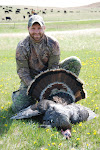
Mexican Goulds - El Halcon

"Hold dearly the traditions of the outdoors for they not only preserve the past... they are inherited by the stewards of the future."


-Theodore Roosevelt

Post 9/11 flights seem to get more interesting by the minute especially when traveling in and out of the country. Unarmed upon arrival in Chihuahua due to customs I felt somewhat helpless when I saw the Federales armed with automatic weapons eyeing me, the gringo. As I passed them by the words of my father rang in my ear, "The only word you must remember son when going to Mexico is wahalote," the Aztec translation of wild turkey. I guess the rest is just useless details.


We traveled by truck through poverty stricken cities like Cuauhtemoc, Mexico which were rich in Spanish/Mexican history. Statues of great conquistadors stood in the city where children ran to the vehicles to wash windows in hopes for a few pesos. Some odd and unexpected sites were the Mennonite communities that were present in Chihuahua.

Mexico is a Catholic nation. While traveling the countryside to the camp at El Halcon we passed numerous small chapels that were open to prayer. I cannot say their full meaning being a Southern Baptist, but they were intriguing and religion must be highly regarded. The chapels provided a mystical flavor to what would become a hunt to remember.

Upon arrival at the camp months of anticipation were now becoming a reality. Friendly faces were pouring in and stories from the field filled the hallways and around the dinner table to taste the local flavor. The menu was a unique one to say the least. I ate a sheep. Advice: Papaya is a natural laxative and it is not a good idea to eat a plate full before a morning hunt.

Early morning hunts were inevitable due to long rides into the Sierra Madre mountain range to find the birds. I dare to say that in their own right the Goulds subspecies is as hard of a hunt as the Eastern, due to the mountainous terrain and lack of good cover. Bring a good pair of boots when venturing South of the border. Keeping your feet in good shape is always a must.

While at the camp I was fortunate enough to spend time observing a few small children that were there. There was a huge language barrier so communication was minimal. Unlike a lot of kids in the US these kids weren't poisoned by today's technology. There were no gameboys or play-stations readily available. They possessed pure innocence from today's world. Times have changed and it was a pleasure to see kids at play without a television or a gameboy at the center of their attention.

The next to the last day we were there my father and I both harvested our birds. In a valley of the Sierra Madre my father called a bird in for me and after a midday siesta I called one in for him. We trekked miles upon miles of mountainous countryside. It was hard hunting but well worth the reward. Keep in mind the reward is not always the kill, but it is the journey that we go through in the hunt. We must always remember to be good stewards of the land, set good examples for other sportsmen, and cherish the picture perfect landscape that was created for us.

Wednesday, November 4, 2009


Rainsford Family Farm - Edgefield, SC

"Country roads take me home to a place I belong"

- John Denver

A pecan tree lined half mile drive way on the outskirts of Edgefield, SC will lead you to the Rainsford homesite. Behind that drive is the doorway to around 2500 of the most diverse hunting grounds that I've seen in these parts. It's filled with wildlife. You name it, it's got it. Turkeys, whitetail deer, ducks, squirrels, rabbits, fish, whatever you heart desires. Don't get me wrong it's not an easy piece of property to hunt and by no means does it garauntee a kill, but it sure is a spectacular piece of property and it was definitely appreciated.

Nestled beneath a two or three hundred year old oak is a camp called Gups Hill that is filled with true history. It contains pieces of the old State House in South Carolina and relics from the Rainsford family line of which date back to the Knights in England. It is rich in history and a place to be treasured.


Much like most folks hunting grounds we came to name the deer stands, ponds, and various hunting areas with creative names that only make sense to those that navagate it. Communication was the major motivation for the names and they have definitely added to already unparalleled character of the land.


For many years we practiced trophy management. The only bucks harvested were bucks that went on the wall. There were exceptions and sometimes mistakes, but for the most part we did an adequate job. It payed off and over the years we located better and better deer on the trail cameras and in the fields. In South Carolina it is unrealistic to expect to see that 200 class booner walking by, but with proper management of deer harvested and good management of footplots it is reasonable to expect great opportunities in the field.

The same principals went for turkey hunting. We didn't harvest any jakes on the farm, unless there are first time hunters present. As with all Eastern subspecies these particular birds were an exceptional challenge for even the best of hunters. Legendary longbeards who escaped the "cunningness" often earned their own nicknames.

I had the opportunity to hunt this piece of property with my friends and family for quite some time. I witnessed first kills, first misses, great catches, and so much more. The great memories of fellowship through woods and water will be forever etched in my memory. At the end of the day... If you don't own the land - it can disappear at anytime.